Checking out the Duty of Light Weight Aluminum Spreading in the Advancement of Industrial Manufacturing
Light weight aluminum casting has played a critical function fit modern-day industrial production. Its durable and lightweight nature has actually transformed the manufacturing of parts for different sectors, consisting of automobile and aerospace. With innovations in casting methods, the sector has actually seen enhancements in accuracy and effectiveness. As sustainability ends up being significantly essential, the recyclability of aluminum includes another measurement to its significance. What ramifications does this have for the future of producing methods?
The Origins of Light Weight Aluminum Spreading
When the flexibility of aluminum was first identified, Light weight aluminum casting has an abundant background that dates back to the late 19th century. Initially, this light-weight steel was deemed testing to function with as a result of its high melting factor and sensitivity to oxidation. However, ingenious minds began to discover its possibility, leading to the growth of various casting approaches. The intro of aluminum right into commercial applications marked a significant transition in production, permitting for the production of detailed elements that were formerly unattainable with other steels. By the very early 20th century, light weight aluminum casting had acquired traction in numerous industries, from automotive to aerospace, owing to its toughness and light-weight properties. The facility of foundries and the development of light weight aluminum alloys better moved its appeal, establishing the phase for future developments. Consequently, the origins of aluminum spreading prepared for its indispensable role in modern-day industrial manufacturing.
Key Developments in Light Weight Aluminum Spreading Techniques
Recent advancements in aluminum casting methods have actually markedly changed commercial production. Technologies in die spreading processes have boosted precision and efficiency, while the evolution of sand spreading has improved versatility and cost-effectiveness. These developments are reshaping the landscape of aluminum manufacturing and increasing its applications throughout various markets.
Die Spreading Innovations
As industries undertaking for improved effectiveness and product quality, pass away spreading has become a centerpiece for development in aluminum spreading techniques. Recent innovations have actually concentrated on boosting mold style, temperature level control, and material properties, significantly lowering cycle times and raising precision. The intro of computer-aided style (CAD) and simulation software program has enabled manufacturers to enhance pass away geometries and predict prospective flaws prior to manufacturing. Furthermore, the assimilation of automated systems has streamlined workflows, enhancing consistency and reducing human mistake. Advancements such as vacuum die spreading and semi-solid metal spreading have additionally boosted the mechanical residential or commercial properties of light weight aluminum parts, bring about lighter, more powerful items. These improvements position die casting as a vital component in the competitive landscape of contemporary production.
Sand Spreading Evolution
Developments in aluminum casting methods have not been limited to die spreading; sand spreading has actually likewise undertaken considerable development. Commonly reliant on manual procedures, contemporary sand casting has accepted automation and electronic innovations, improving efficiency and accuracy. Developments such as computer-aided style (CAD) enable more detailed mold designs, while 3D printing of sand molds has reinvented manufacturing times and lowered material waste. Additionally, the introduction of innovative sand blends enhances the surface coating and mechanical homes of cast components. These growths not just reduced production costs however additionally expand the extent of applications for sand-cast light weight aluminum items. As sectors demand higher top quality and faster turn-around, the advancement of sand spreading stays essential in meeting these contemporary production challenges.
The Impact of Aluminum Casting on the Automotive Market
Aluminum spreading has actually revolutionized the vehicle sector by making it possible for the production of lightweight components that boost lorry performance. These innovations add substantially to improved gas performance, lining up with ecological requirements and consumer demands (Precision aluminum casting). In addition, the versatility of aluminum casting cultivates layout adaptability, permitting cutting-edge methods in lorry production
Lightweight Part Advantages
The automobile industry has increasingly welcomed light-weight elements to boost fuel effectiveness and performance. Light weight aluminum spreading has become an essential technology in this change, enabling manufacturers to produce components that are not just lighter but additionally structurally durable. These lightweight components add to improved vehicle characteristics, allowing better handling and velocity. Additionally, aluminum's rust resistance prolongs the life-span of automobile components, lowering maintenance prices gradually. The flexibility of aluminum spreading enables complex designs that were formerly unattainable, assisting in development in lorry aesthetics and capability. As automobile manufacturers remain to focus on sustainability, the usage of lightweight light weight aluminum cast elements straightens with initiatives to minimize total lorry weight, noting a significant innovation in automotive engineering.
Boosted Gas Effectiveness
As the auto industry seeks innovative means to enhance fuel effectiveness, aluminum spreading has emerged as an essential remedy. The lightweight homes of light weight aluminum substantially reduce vehicle weight, causing boosted gas economy. By substituting larger materials with light weight aluminum cast parts, manufacturers can optimize engine efficiency and minimize linked here power usage. This change hop over to here not just helps in decreasing greenhouse gas discharges however likewise lines up with worldwide sustainability goals. Furthermore, aluminum's superb thermal conductivity permits better heat dissipation in engines, further boosting performance and effectiveness. Consequently, automobiles using light weight aluminum cast parts can achieve greater miles per gallon, interesting eco-conscious consumers and meeting stringent governing criteria. This development highlights aluminum's crucial function in the future of vehicle production.
Style Versatility and Development
While traditional materials usually impose constraints on style, aluminum spreading offers unparalleled versatility that cultivates technology in the vehicle industry. This flexibility allows manufacturers to develop complicated geometries and elaborate attributes that were formerly unreachable. Lightweight aluminum elements can be tailored to meet certain performance needs, improving both vehicle performance and visual appeals. On top of that, the casting process sustains fast prototyping, making it possible for quicker versions and reducing time-to-market for brand-new designs. As car manufacturers increasingly prioritize sustainability, aluminum's recyclability enhances design campaigns, promoting green methods. In general, light weight aluminum casting equips engineers and designers to push the boundaries of imagination, resulting in the growth of advanced cars that fulfill contemporary consumer needs for efficiency, safety and security, and environmental obligation.
Innovations in Aerospace With Light Weight Aluminum Spreading
Aluminum spreading has reinvented the aerospace industry by allowing the manufacturing of light-weight yet very durable parts. This innovation enables the development of complicated shapes that conventional manufacturing techniques can not achieve, causing improved performance and performance in airplane design. Key applications consist of engine elements, structural components, and elaborate assemblies that gain from light weight aluminum's exceptional strength-to-weight ratio.
Developments in casting methods, such as high-pressure die spreading and financial investment casting, have actually boosted dimensional accuracy and surface coating, lowering the demand for considerable machining - Aluminum Casting Company. These advancements improve production procedures, Discover More lower preparations, and lower production expenses, making aluminum parts increasingly interesting aerospace designers
Furthermore, the ability to integrate multiple features right into a solitary cast part decreases setting up time and prospective factors of failure. As a result, light weight aluminum spreading proceeds to play a vital role in advancing aerospace innovation, contributing to the advancement of more secure, much more effective, and eco pleasant aircraft.
Sustainability and Ecological Advantages of Aluminum Casting
The aerospace sector's shift towards aluminum spreading not just boosts efficiency however also contributes positively to sustainability initiatives within industrial production. Light weight aluminum casting offers substantial ecological benefits, primarily because of aluminum's intrinsic recyclability. Roughly 75% of light weight aluminum created is still in usage today, showcasing its potential for round economic climate techniques. In addition, the power required to recycle aluminum is significantly reduced-- up to 95% much less-- contrasted to generating brand-new light weight aluminum from ore.
In addition, aluminum casting processes frequently produce less waste, as innovative strategies permit the reliable use products. This decreases the ecological influence connected with production. The lightweight nature of aluminum also leads to more fuel-efficient airplane, reducing greenhouse gas emissions throughout procedure. In general, the combination of light weight aluminum spreading in commercial manufacturing not just sustains ingenious design and functionality but also aligns with international sustainability goals, making it a critical selection for ecologically mindful sectors.
The Future of Light Weight Aluminum Spreading in Manufacturing
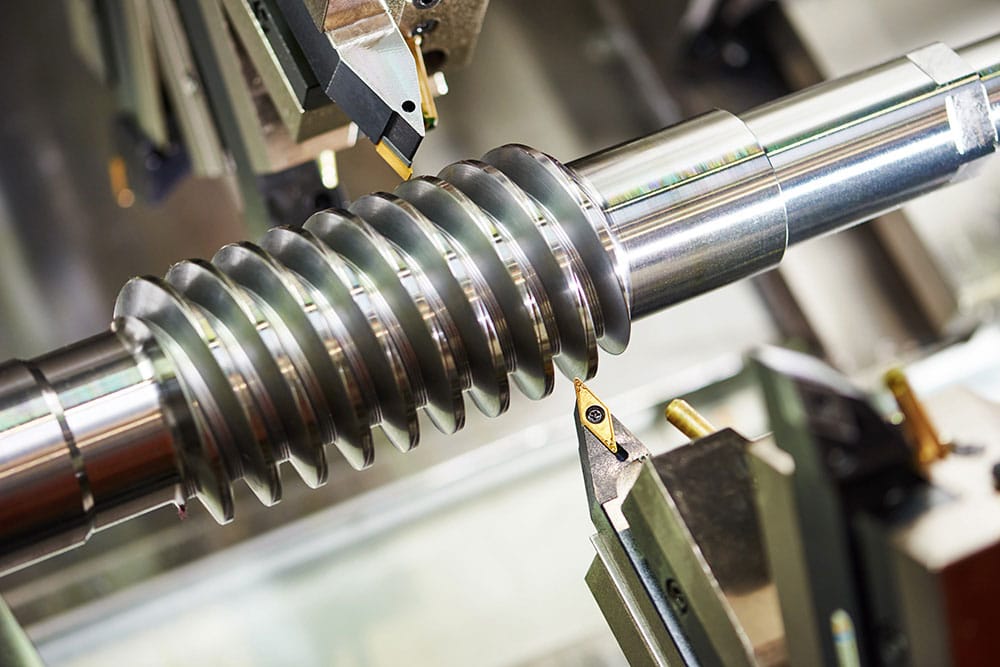
Improvements in alloy growth are expected to enhance the buildings of cast light weight aluminum, making it lighter and much more sturdy (Aluminum Casting Company). These enhancements will certainly not just meet the expanding demands of fields like auto and aerospace however additionally add to ecological goals by decreasing power consumption. Eventually, the future of light weight aluminum spreading in production shows up poised for a paradigm change, driven by modern technology's capability to introduce and maximize manufacturing procedures
Frequently Asked Concerns
Just How Does Aluminum Casting Contrast to Other Steel Casting Procedures?
Light weight aluminum casting offers advantages such as lower weight, boosted corrosion resistance, and better thermal conductivity compared to various other metal spreading processes. It may be less appropriate for high-temperature applications than materials like steel or iron.
What Are the Main Safety Issues in Aluminum Casting?
The main safety and security problems in aluminum spreading consist of direct exposure to thaw steel, potential burns, inhalation of hazardous fumes, and dangers connected with tools procedure. Appropriate safety and security methods and individual safety tools are necessary to mitigate these hazards.
Can Aluminum Casting Be Used for Artistic Purposes?
Aluminum spreading can certainly be utilized for creative purposes. Artists usually appreciate its flexibility, lightweight nature, and ability to capture intricate details, permitting the creation of both functional and attractive items that showcase imagination and craftsmanship.
What Are the Expenses Linked With Light Weight Aluminum Casting?
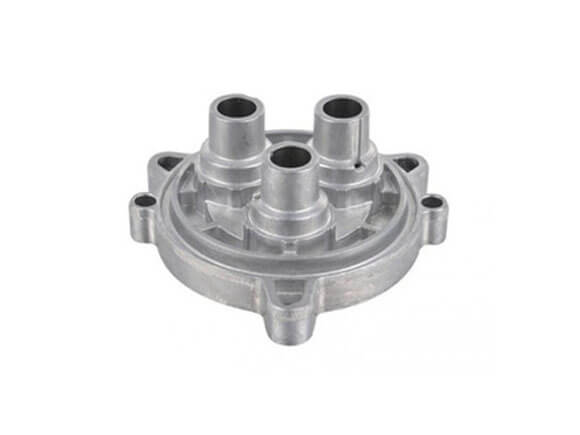
Just How Has Light Weight Aluminum Spreading Influenced Global Production Trends?
Aluminum spreading has considerably influenced international production trends by offering lightweight, durable parts, minimizing production prices, and improving layout adaptability. Its fostering across numerous markets has streamlined procedures and promoted development, forming modern production practices worldwide.
Light weight aluminum casting has an abundant background that dates back to the late 19th century when the adaptability of aluminum was initial recognized. As sectors undertaking for improved efficiency and item quality, pass away casting has actually emerged as a focal factor for development in light weight aluminum casting techniques. Advancements such as vacuum cleaner die spreading and semi-solid steel spreading have additionally boosted the mechanical properties of light weight aluminum components, leading to lighter, stronger items. Developments in light weight aluminum spreading techniques have actually not been restricted to die casting; sand spreading has likewise undertaken significant development. Aluminum casting deals substantial environmental benefits, largely due to aluminum's intrinsic recyclability.